
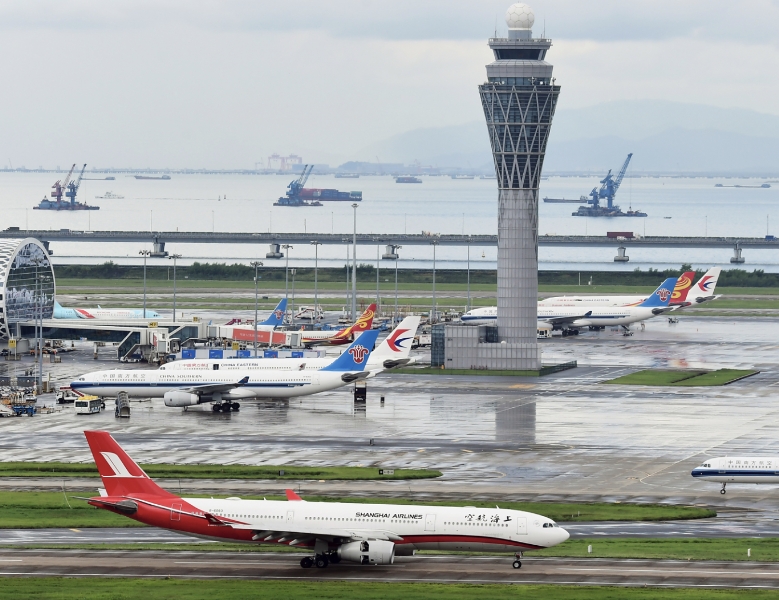
As your professional local business partner in China, we understand that a successful trip for factory visits and negotiations is far more than just a business trip—it is a strategic step toward building a reliable, resilient, and competitive supply chain.
As a global manufacturing and innovation hub, China offers complete industrial clusters, rapid production responsiveness, and cutting-edge technology. To ensure your visit to China is efficient, seamless, and productive, we have compiled this practical step-by-step guide covering everything from pre-departure planning to on-the-ground negotiation.
1. Visa & Entry Policies: Your Essential First Step
Understanding the latest entry and visa policies is critical when planning your trip.
1.1 Business Visa (M Visa) Application
- Target Audience: Foreign business professionals visiting China for commercial trade activities, factory audits, or trade shows.
- Core Documentation: You will generally require an official Invitation Letter (TE Invitation Letter or Verification Form of Invitation) issued by your Chinese business partner or our business agency, alongside standard commercial invitation letters.
- Processing Lead Time: Document preparation and consular review take time; we strongly recommend initiating the process with us at least 3 to 4 weeks prior to your planned departure.
1.2 Visa-Free Entry & Transit Provisions (Latest Updates)
China continuously enhances entry convenience for international business visitors:
- Unilateral & Mutual Visa Waiver Programs: China currently offers unilateral visa-free entry (typically 15 to 30 days) to citizens of numerous countries across Europe, Asia, and Oceania. Always check your passport's status against the latest official announcements before traveling.
- 240-Hour (10-Day) Visa-Free Transit: Available to travelers from 54 qualifying countries holding valid international travel documents and confirmed onward tickets to a third country/region. This allows cross-regional travel within designated provinces—ideal for short factory tours and negotiations.
- 144-Hour Greater Bay Area Group Visa: Foreign nationals visiting Hong Kong or Macao can enter Guangdong Province via qualifying tour agencies without a pre-issued visa for up to 144 hours—perfect for combining trade shows like the Canton Fair with visits to factories in Shenzhen, Dongguan, or Foshan.
Tip: Entry policies are subject to change. We will verify the latest entry requirements and required paperwork for you prior to your departure.
2. Itinerary Planning & Factory Audit Strategy: Clear Goals, Efficient Execution
"Preparation prevents poor performance." A structured and clear itinerary is the bedrock of a successful business trip.
Sample 7-Day Business Itinerary
| Day | Key Objective & Activity |
| Day 1 | Arrival in major Chinese gateway hub (Shanghai / Guangzhou / Shenzhen / Beijing) → Hotel check-in → Briefing meeting |
| Day 2 | Primary Supplier A Factory Audit (Capacity, machinery, QA/QC systems) → Executive dinner |
| Day 3 | Supplier B Factory Audit (Sample evaluation, technical discussion) → On-site line testing |
| Day 4 | Attendance at Trade Show (e.g., Canton Fair, East China Fair) → Sourcing & preliminary screening |
| Day 5 | Supplier C Visit or Follow-up Negotiation (Pricing, payment terms, lead times) |
| Day 6 | Execution of Letter of Intent (LOI) / NNN Agreement → Contract framework finalization |
| Day 7 | Wrap-up meeting → Departure or travel to next destination |
2.1 The 5 Core Dimensions of a Factory Audit
An on-site audit goes far beyond a casual walk through the shop floor. It is a comprehensive evaluation of the supplier's true operational capability:
- Compliance & Licensing: Inspect original business licenses, export permits, ISO quality certifications, and social compliance audits (e.g., BSCI, SEDEX).
- Production Equipment & Automation: Observe machine maintenance, automation levels, capacity utilization, and 5S workplace management.
- Quality Control Systems (QC/QA): Inspect raw material receiving inspection (IQC), in-process quality control (IPQC), and final product testing equipment.
- R&D & Prototyping Capabilities: Visit sample showrooms and R&D labs to evaluate response speed for product modifications, OEM, and ODM requests.
- Warehousing & Packaging: Review inventory levels of raw materials and verify export packaging standards to ensure safe transit and on-time delivery.
2.2 Pro Tips for Trade Shows (e.g., Canton Fair)
- Pre-Register Online: Complete buyer registration via official trade show portals or apps ahead of time to skip long queue lines at the venue.
- Digital Information Exchange: Request to connect with sales managers directly on WeChat. This allows instant sharing of PDF product catalogs, quotation sheets, and test reports, eliminating the need to carry heavy paper catalogs.
3. Payments, Connectivity & Local Mobility: Seamless On-the-Ground Experience
China operates as a predominantly cashless society. Setting up digital payments and connectivity before landing ensures a hassle-free trip.
3.1 Digital Payments: Paying Like a Local
International credit cards (Visa, Mastercard, JCB, Discover, etc.) can now be directly linked to China's leading mobile payment platforms:
- Alipay & WeChat Pay:
- Download the app → Register with your international mobile phone number.
- Complete real-name identity verification by uploading your passport photo.
- Link your foreign credit or debit card.
- Use cases: Taxis, restaurants, convenience stores, high-speed rail tickets, and retail shops.
- Cash & Card Backup: Carry a small amount of RMB cash (approx. 500–1,000 RMB) for unexpected situations. Major international hotels and upscale business venues still accept direct foreign credit card swipes.
3.2 Internet Connectivity & Communication
Due to local network infrastructure, standard overseas web services and messaging apps (e.g., Google, WhatsApp) may require specific connectivity solutions:
- Option A: International Data Roaming or eSIM
- Activate international roaming with your home provider or purchase a regional China eSIM (via providers such as Airalo or Holafly) before departure. Roaming data generally bypasses local domain restrictions.
- Option B: Enterprise VPN Services
- If connecting via local Wi-Fi networks, ensure you have installed and tested a reliable VPN or enterprise remote work tool on both mobile and laptop devices.
3.3 Essential App Stack for Your Trip
| App Name | Primary Function | Preparation Status |
| WeChat (微信) | Essential business & messaging tool in China; built-in translation | Mandatory (Register prior to travel) |
| Alipay (支付宝) | Mobile payments, ride-hailing, public transit scanning | Mandatory (Link card prior to travel) |
| DiDi (滴滴出行) | Ride-hailing service (English UI & foreign card payment available) | Recommended |
| Trip.com | Booking flights, high-speed rail, and hotels (Full English UI) | Recommended |
| Google Translate / WeChat Translate | Live voice, photo, and text translation | Recommended |
4. Cross-Cultural Etiquette & Negotiation Strategies
Understanding Chinese business etiquette helps foster trust and long-term partnerships.
4.1 "Trust First, Business Second" (Guanxi)
- Tea Culture & Informal Conversation: Meetings often begin with tea and light conversation. This is not idle chatter; it is a traditional way for Chinese counterparts to establish rapport and mutual trust (Guanxi).
- Patience & Flexibility: Negotiations in China often require flexibility. Key concessions or agreements may be refined during business lunches or dinners rather than exclusively in formal boardroom settings.
4.2 Business Protocol & Courtesy
- Exchanging Business Cards: Present and receive business cards using both hands. Take a moment to read the card carefully before placing it neatly on the table. Having one side of your card translated into Simplified Chinese is a welcome gesture.
- Corporate Gifts: Bringing small, thoughtful gifts representing your home country or company (e.g., local treats, quality stationery) for key executives demonstrates goodwill.
- Dining Etiquette: Follow your host's seating arrangements. When toasts are made, it is perfectly acceptable to respond with tea, water, or soft drinks if you prefer not to consume alcohol.
4.3 Legal Safeguards & Contractual Protections
- Execute NNN Agreements: Prior to sharing sensitive technical drawings, proprietary molds, or commercial terms, execute an NNN (Non-disclosure, Non-use, Non-circumvention) agreement governed by Chinese law.
- Define Clear Quality Standards (AQL): Ensure purchase contracts state explicit Acceptable Quality Limit (AQL) standards, delivery benchmarks, and clear dispute resolution mechanisms.
5. Our Comprehensive On-the-Ground Support Services
As your dedicated local partner in China, we offer end-to-end support to eliminate operational friction and help you focus on high-value business decisions:
- Visa Assistance: Prompt issuance of official business invitation letters and supporting corporate credentials.
- Travel & Chauffeur Services: Airport pickups, inter-city private transfers, and dedicated driver arrangements for factory visits.
- Bilingual Business & Technical Interpreters: Professional interpreters familiar with your specific industry jargon and technical standards.
- Independent Factory Audits & Accompaniment: Unbiased third-party evaluation reports and negotiation support.
- Post-Visit Follow-Up: Sample shipment tracking, production monitoring, and Pre-Shipment Inspections (PSI).
Conclusion
The depth and dynamism of Chinese manufacturing offer immense opportunities for your business. We look forward to serving as your trusted guide and local partner—helping you bridge language and cultural barriers to secure high-quality, reliable supply chains.
Contact our advisory team today to customize your upcoming China business itinerary.