
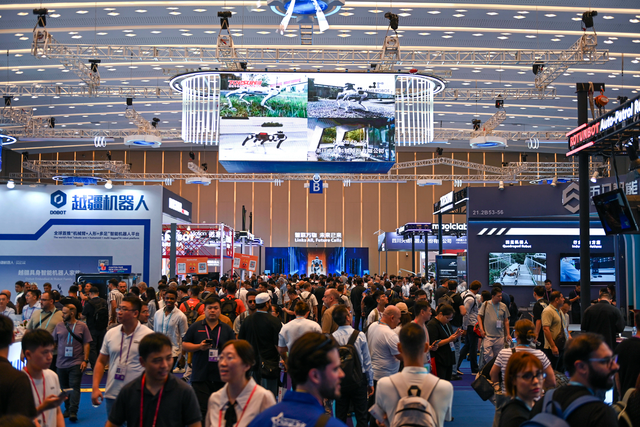
When global importers and business leaders talk about sourcing from China, one trade show stands head and shoulders above the rest: the China Import and Export Fair, globally known as the Canton Fair. Held in Guangzhou (traditionally known as Canton), Guangdong Province, this iconic trade show is widely recognized as the largest, oldest, and most comprehensive international trade event in China.
For international buyers seeking to discover new products, connect directly with manufacturers, and gain firsthand insights into global supply chain trends, attending the Canton Fair is an essential business milestone.
A Brief History: From 1957 to Global Megashow
Established in the spring of 1957, the Canton Fair was originally created to open a foreign trade window between China and the rest of the world during a period of relative diplomatic isolation. Over more than six decades of continuous operation, the exhibition has evolved in step with China's economic opening-up and modern industrial transformation.
Today, the fair takes place at the massive China Import and Export Fair Complex in Pazhou, spanning over 1.5 million square meters of exhibition space. It routinely attracts tens of thousands of exhibitors and hundreds of thousands of buyers from over 200 countries and regions.
Event Frequency and Seasonal Timing
The Canton Fair operates on a biannual schedule, holding two major sessions every year:
- Spring Session: Held every year in April and May.
- Autumn Session: Held every year in October and November.
Because the fair hosts an enormous number of industries, each session is divided into three distinct phases, each lasting five days with a short hiatus in between. This multi-phase structure allows buyers to target their specific industry without having to navigate unrelated sectors.
Overview of the Three Phases
| Phase | Core Industry Focus | Typical Product Categories |
| Phase 1 | Electronics, Machinery, Industrial Goods & Energy | Consumer electronics, home appliances, vehicles, hardware, tools, building materials, lighting, chemical products. |
| Phase 2 | Consumer Goods, Home Decor & Gifts | Kitchenware, ceramics, furniture, household items, gifts, premium souvenirs, toys, gardening equipment. |
| Phase 3 | Textiles, Apparel, Medical Devices & Food | Apparel and garments, footwear, luggage & bags, office supplies, medical devices, health products, food & beverages. |
Comprehensive Industry Scope
What makes the Canton Fair unique is its all-encompassing coverage. Almost every consumer and industrial product category manufactured in China is represented under one roof.
- Direct Access to Manufacturers: Unlike regional niche expos, the Canton Fair brings together primary manufacturers, OEM/ODM specialists, and accredited international trading companies.
- Product Innovation Hub: Factories frequently time their new product launches to coincide with the opening of the fair, giving attendees a preview of upcoming market trends.
- Import Section: In addition to Chinese exporters, the fair features an Import Pavilion, where international exhibitors from around the world market their products to Chinese domestic importers.
How International Buyers Can Attend: Step-by-Step Guide
Attending a trade show of this scale requires proper preparation. Here is a practical step-by-step roadmap for overseas buyers planning their trip:
Step 1: Pre-Register and Apply for the Overseas Buyer Badge
Before traveling, buyers should register via the official Canton Fair website https://www.cantonfair.org.cn/en-US
- Overseas buyers need an official Buyer Badge to enter the complex.
- Pre-registering online allows you to get your badge free of charge (either mailed in advance or collected at designated airport/hotel service counters in Guangzhou).
Step 2: Obtain an Official Visa Invitation Letter
To apply for a Chinese Business Visa (M Visa), foreign visitors generally require an official invitation letter. Registered buyers can generate an official Canton Fair Invitation Letter directly through the BEST platform to present to their local Chinese embassy or consulate.
Step 3: Plan Logistics and Choose the Right Phase
- Select Your Phase: Identify which phase corresponds to your product categories to avoid booking dates when your target suppliers are not exhibiting.
- Book Flights and Accommodation Early: Hotels in Guangzhou—especially those near the Pazhou Complex or along Metro Line 8—book up months in advance and charge peak-season rates.
- We recommend you visit Trip.com to book hotels in Guangzhou city, as it is the most comprehensive booking platform in China.
Step 4: On-Site Preparation and Best Practices
- Download Official Mobile Apps: Utilize the Canton Fair app and local navigation/translation tools.
- Prepare Materials: Bring plenty of business cards, digital contact tags (like WeChat QR codes), product specifications, and comfortable walking shoes.
- Consolidate Contacts: Take photos of booth numbers, business cards, and sample tags together so you can easily organize supplier follow-ups after the fair.
Conclusion
The Canton Fair remains an unrivaled powerhouse for international sourcing. Whether you are an established enterprise looking to diversify supply chains or an emerging business seeking manufacturing partners, attending the fair provides direct access to China's manufacturing ecosystem, fostering long-term global trade relationships.